Weight Reduction Exercises
For People with Leg Disabilities
Weight Loss Success Tips
Weight loss requires combining exercise with proper nutrition. Consult with a nutritionist for personalized meal planning. Aim for 150 minutes of moderate activity weekly. Stay hydrated and get adequate sleep. Track progress with measurements, not just scale weight.
Seated Arm Circles
LowDuration
10-15 minutes
Calories
40-60
Chair Yoga Flow
LowDuration
30-40 minutes
Calories
60-90
Complete Guide to Weight Loss with Leg Disabilities
Weight management can be challenging with limited mobility, but it's absolutely achievable. This comprehensive guide provides evidence-based strategies for safe, effective weight loss through seated exercises, nutrition, and lifestyle modifications specifically designed for people with leg disabilities.
Understanding Calorie Balance
Weight loss occurs when you burn more calories than you consume. For people with leg disabilities, daily calorie expenditure may be lower than ambulatory individuals, making nutrition particularly important. Combine moderate calorie reduction (300-500 calories daily) with regular exercise for sustainable weight loss of 1-2 pounds per week.
Nutrition Strategies
Focus on nutrient-dense foods including lean proteins, vegetables, fruits, whole grains, and healthy fats. Eat smaller, frequent meals to boost metabolism. Stay hydrated with water throughout the day. Limit processed foods, sugary drinks, and excessive carbohydrates. Consider working with a registered dietitian for personalized meal planning.
Exercise Frequency for Weight Loss
Aim for 150-300 minutes of moderate-intensity cardio weekly, or 75-150 minutes of vigorous activity. Break this into manageable sessions like 30 minutes, 5 days per week. Add strength training 2-3 times weekly to build muscle, which increases resting metabolism. Consistency matters more than intensity.
Seated Cardio Effectiveness
Seated cardio can be highly effective for weight loss. Upper body movements engage large muscle groups, burning significant calories. Interval training maximizes calorie burn in less time. Boxing, rowing motions, and arm cycling provide excellent cardiovascular workouts. Track intensity with heart rate to ensure adequate effort.
Building Metabolism Through Muscle
Muscle tissue burns more calories at rest than fat tissue. Resistance training builds muscle mass, increasing your basal metabolic rate. Focus on upper body and core strength. Use resistance bands, weights, or bodyweight exercises. Progressive overload (gradually increasing resistance) is key to continued muscle growth.
Overcoming Weight Loss Plateaus
If weight loss stalls, try varying your exercise routine, adjusting calorie intake, checking portion sizes, improving sleep quality, managing stress, and tracking all food intake accurately. Plateaus are normal. Sometimes weight loss pauses while body composition improves. Take measurements beyond scale weight.
Adaptive Equipment for Exercise
Hand cycles provide excellent cardio workouts. Wheelchair basketball offers fun, intense exercise. Seated ellipticals work upper and lower body. Resistance bands are versatile and affordable. Battle ropes provide high-intensity intervals. Swimming offers low-impact, full-body exercise. Explore adaptive sports in your community.
Mental and Emotional Aspects
Weight loss is as much mental as physical. Set realistic goals. Celebrate non-scale victories like improved energy, better sleep, and increased strength. Find social support through disability fitness communities. Address emotional eating triggers. Practice self-compassion during setbacks. Consider therapy if needed.
Medical Considerations
Consult your doctor before starting any weight loss program. Some medications affect weight. Certain conditions require dietary modifications. Monitor blood pressure and blood sugar during weight loss. Adjust medications as weight decreases. Regular medical checkups ensure safe progress. Professional guidance optimizes results.
Long-Term Success Strategies
Sustainable weight loss requires permanent lifestyle changes. Find exercises you enjoy. Make nutrition improvements you can maintain forever. Build healthy habits gradually. Focus on health, not just appearance. Connect with others on similar journeys. Track progress with photos, measurements, and how you feel. Celebrate the journey, not just the destination.
Video Tutorial: Seated Weight Loss Exercises
Watch this comprehensive video guide showing effective seated cardio and strength training exercises for weight loss. Perfect for people with limited mobility.
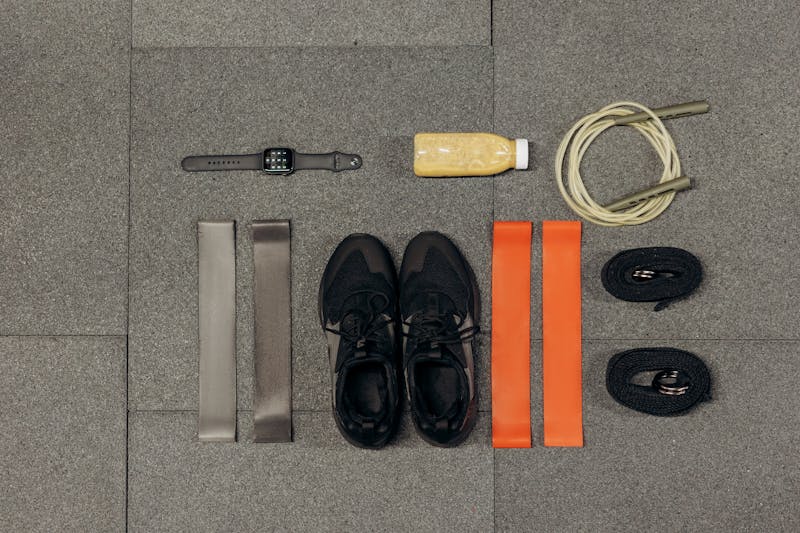
Seated Cardio Workouts
High-energy seated cardio exercises that increase heart rate and burn calories without putting stress on legs.

Resistance Training
Build muscle and boost metabolism with seated resistance exercises using bands, weights, or body weight.